

Historic roads · Haunted stays · Stories worth stopping for
Make the journey part of the haunting
A memorable haunted road trip has more than a famous hotel at the end. It has a cemetery you would have driven past, a lighthouse with a story to tell, an old mill beside the highway and enough time to sit down for dinner before the evening tour.
These five itineraries connect real places in a sensible order. Choose a route, follow the daily plan and use the hotel and destination guides when you want more detail. Each trip includes history stops, local folklore, overnight suggestions and practical alternatives.
These are researched, self-drive itineraries, not escorted tours or claims of firsthand testing. Driving times are broad planning estimates in ordinary conditions, excluding visits, meals, traffic delays and ferry travel. Check live directions before departure. Historic facts, reported hauntings and fictional stories are identified separately. Map links connect the main stops, not every local excursion, parking entrance or overnight return.
Choose your haunted road trip
New England · 4 days
Boston to Salem & Portsmouth
Old burying grounds, a working-life detour at Saugus, witch-trial history and a waterfront museum neighbourhood. Best for a first haunted road trip with short driving legs.
See the New England itineraryGeorgia & Florida · 5 days
Savannah to Jekyll Island & St. Augustine
Moss-draped cemeteries, tabby ruins, coastal history and lighthouse legends, with historic stays at both ends. Best for travellers who want a different kind of stop each day.
See the coastal itineraryLouisiana · 4 days
New Orleans to St. Francisville
French Quarter stories, an authorised cemetery visit, River Road history and an evening at The Myrtles. Best for a trip that gives difficult history as much attention as ghost lore.
See the Louisiana itineraryVancouver Island · 4 days
Victoria to Nanaimo
Ross Bay’s apparitions, Craigflower’s opening door, haunted roadhouses and Nanaimo’s harbour ghosts. A four-day journey with guided walks, historic stops and an optional Sooke detour.
See the island itineraryColorado · 4 days
Denver to Golden & Estes Park
A Victorian house museum, Buffalo Bill’s gravesite, the Stanley’s ghost stories and a weather-dependent Rocky Mountain day. Best for combining a haunted hotel with mountain scenery.
See the Colorado itineraryRoute 01 · New England
Boston → Saugus → Salem → Portsmouth
This route moves from Boston’s crowded historic streets to Salem’s waterfront and the old houses of Portsmouth. Its appeal is the contrast: grand hotels and small burial grounds, the world of the witch trials and the ordinary work that kept these communities alive.
- Time to allow
- 4 days / 3 nights; add a final Portsmouth night for an easier finish.
- Overnight bases
- Boston for night 1; Salem for nights 2 and 3.
- Main driving legs
- Boston–Saugus–Salem: about 1–1½ hours. Salem–Portsmouth via Newburyport: about 1½–2 hours.
- Return planning
- This is a one-way itinerary. Allow a separate return leg if collecting or returning a car in Boston.
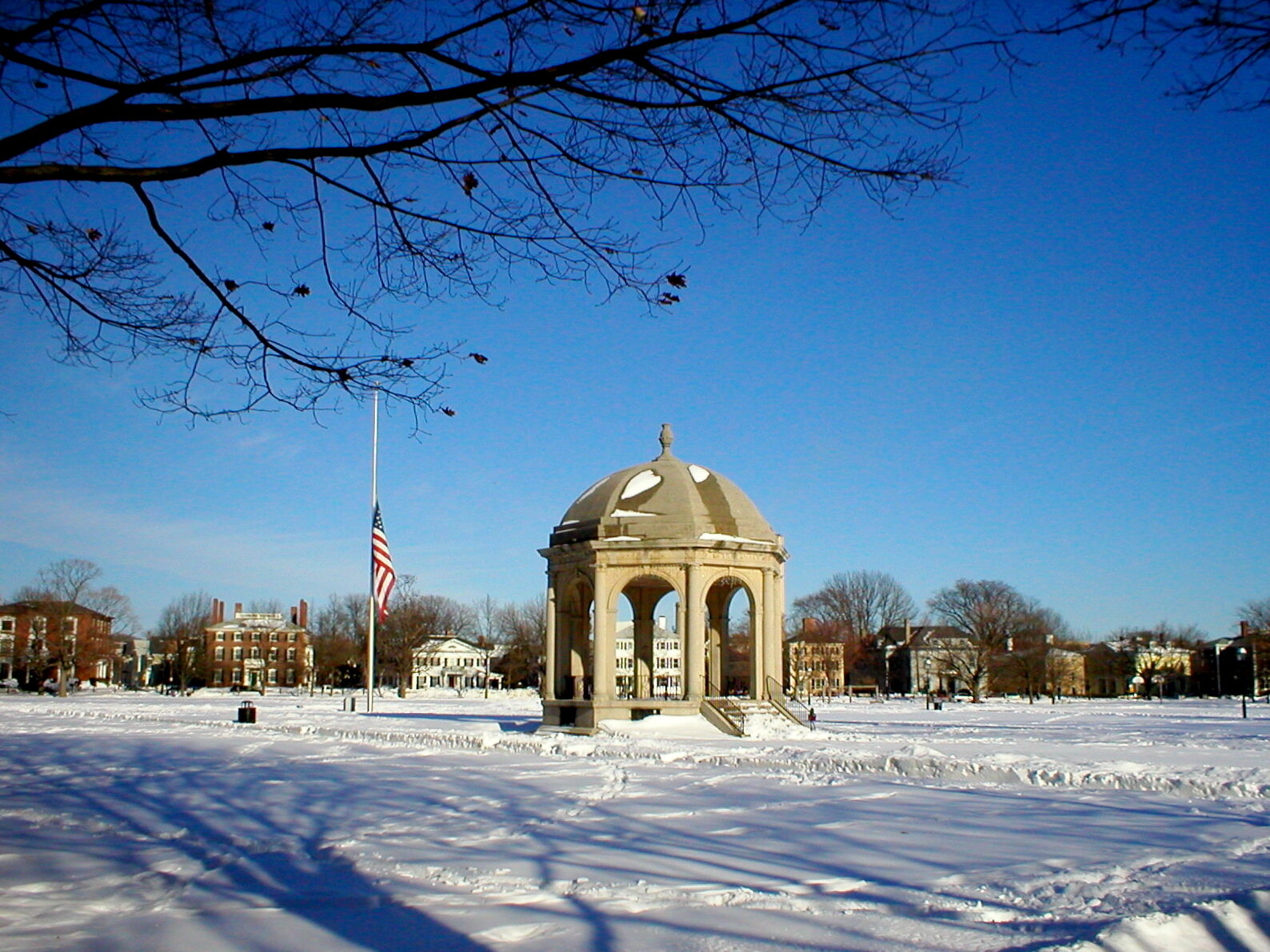
Day 1: Boston’s gravestones and a hotel legend
Leave the car parked and start with Granary and King’s Chapel burying grounds. Look closely at the carving styles, symbols and family names rather than treating the graves as a checklist. Boston publishes maps and visiting hours; these are daytime stops, so complete them before settling into dinner.
Spend the rest of the afternoon walking a manageable section of the Freedom Trail. Stay at the Omni Parker House if you want the hotel itself to supply the evening’s story. Travellers arriving late should move the burial grounds to the following morning and shorten the next day’s museum stop.
The story to take with you: Harvey Parker
Omni’s own account repeats reports of founder Harvey Parker appearing in the hotel, including a mist-like figure described by a guest near a tenth-floor room. The enduring idea is of a host still checking on his guests. It is hotel folklore, not a reason to expect an apparition—or to wander private guest corridors.
Day 2: Stop at Saugus before reaching Salem
Make Saugus Iron Works your first road stop. The reconstructed ironworks and its riverside setting bring the region’s early industry into the trip. Allow roughly 60–90 minutes as a planning choice, and check which buildings and demonstrations are available on your date. This is a history stop rather than a claimed haunting.
Continue to Salem, have lunch and leave the car at your accommodation or a suitable public garage. Spend the afternoon at Salem Maritime, where the wharves and historic buildings tell a much wider story than the witch trials. Building tours follow seasonal schedules. Keep the evening easy so tomorrow’s walking does not begin with tired feet.
Day 3: Salem’s trials, memorial and night walk
Add Bewitched’s outdoor historical walk to your Salem day. Choose a departure that leaves time for the museums and memorial below; museum admission is separate.
Check Bewitched tour dates on Viator ↗
Affiliate link: Go Ghostly may earn a commission at no extra cost to you. Check current dates and cancellation terms on Viator before booking.
Begin at the Witch House, once home to trial judge Jonathan Corwin. Its rooms provide a domestic setting for thinking about seventeenth-century life and authority. Check the current ticket procedure; the museum’s own instructions, including October arrangements, matter more than a generic advance-booking rule.
Leave time for the Witch Trials Memorial and neighbouring Charter Street Cemetery, following posted entry rules. The memorial commemorates the victims; it should not be mistaken for their burial site. Use the Salem Heritage Trail to place the sites in context. After dinner, choose one of the history or ghost walks compared in our Salem guide. A street tour does not automatically include entry to museums or cemeteries.
Day 4: Newburyport break, then Portsmouth
Head north, using Newburyport’s waterfront as a lunch and leg-stretch stop rather than adding another tightly timed attraction. Continue to Strawbery Banke Museum in Portsmouth. Its historic houses, gardens and exhibitions preserve the Puddle Dock neighbourhood’s changing lives. Allow an unhurried afternoon; this is much more rewarding than a ten-minute photograph at the entrance.
Check the museum’s seasonal calendar and whether your date offers self-guided admission or a scheduled tour. End in Portsmouth, or leave enough daylight and energy for the drive back to Boston. Do not place a non-refundable flight immediately after the museum visit.
Where to stay and how to shorten it
The Omni Parker House and Hawthorne Hotel connect this route to our hotel collection. Compare the full cost, including parking. For two nights, concentrate on Boston and Salem and leave Portsmouth for another trip. October Salem needs generous parking and crowd buffers; winter visitors should build the plan around actual museum opening days.
Route 02 · The coastal South
Savannah → Jekyll Island → St. Augustine
Follow the coast south through cemetery avenues, an island’s ruined house and a city watched over by a lighthouse. Savannah and St. Augustine each deserve time on foot; Jekyll is the place between them that makes this a road trip rather than two city breaks joined by a motorway.
- Time to allow
- 5 days / 4 nights; a fifth night in St. Augustine suits an evening lighthouse experience.
- Overnight bases
- Savannah for nights 1–2, Jekyll Island for night 3, St. Augustine for night 4.
- Main driving legs
- Savannah–Jekyll: about 2–2½ hours. Jekyll–St. Augustine: about 2–3 hours, before optional detours.
- Route shape
- One way south. Check rental-car return costs and your departure city before booking stays.
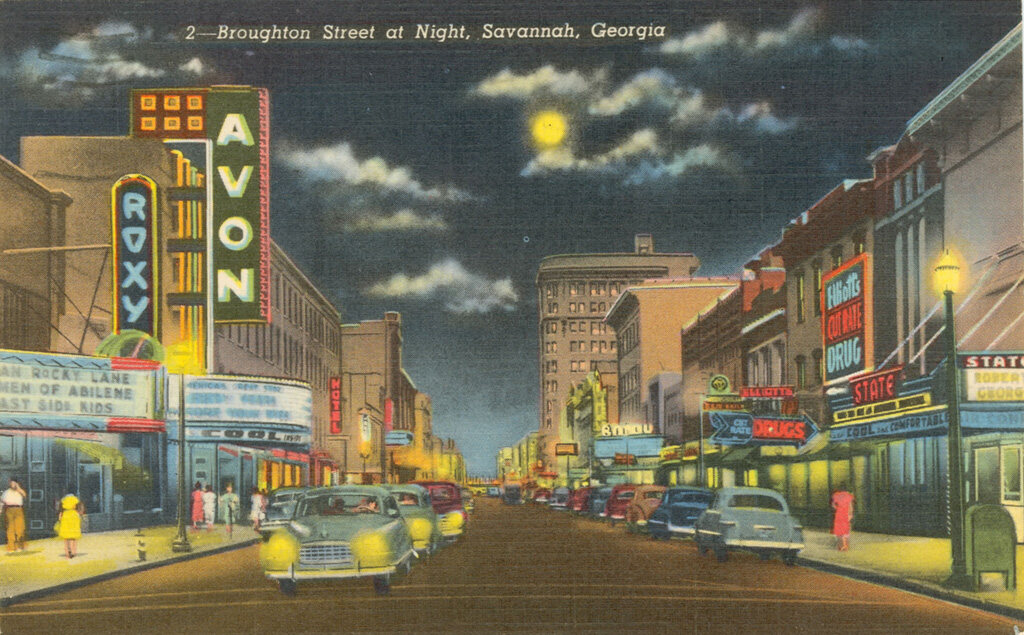
Day 1: Savannah’s squares and the Marshall House
Check in, park and spend the afternoon connecting a few squares with Colonial Park Cemetery during its posted visiting hours. Leave space for dinner before a guided evening walk. Our Savannah guide compares walking and trolley choices so you can choose the amount of walking you actually want.
The Marshall House makes a strong anchor stay. Its documented history includes use as a hospital during yellow-fever epidemics and the Civil War. Look for the hotel’s historical displays; the medical history is real even though later haunting accounts remain reports.
Day 2: Bonaventure and the people behind the grand houses
Explore Bonaventure with a guide. Request downtown pickup or agree a meeting point with the provider. With pickup, leave the car at your accommodation instead of following the self-drive approach below.
Check Bonaventure tour dates ↗
Affiliate link: Go Ghostly may earn a commission at no extra cost to you. Check current dates and cancellation terms on Viator before booking.
Drive to Bonaventure Cemetery in the morning. This is east of the centre, so treat it as a deliberate excursion rather than an extra stop on a downtown walk. Download the city’s map and choose a small area to explore. The sculpture, family plots and river-bluff setting merit 90 minutes or more at your own pace.
Return for lunch and, if your energy allows, tour the Owens-Thomas House & Slave Quarters. Its interpretation connects the elegant house to the enslaved people whose labour supported it. Reserve the appropriate visit slot and check stair access: the historic house has no elevator. Keep this second evening flexible instead of buying another long walking tour automatically.
Day 3: Jekyll Island’s ruins and small burial ground
Drive to Jekyll after breakfast. Begin with Horton House and the DuBignon cemetery. The surviving tabby house dates to 1743; its shell-rich walls make the coastal building technique visible. The burial ground adds a quieter, more personal stop. Stay within visitor areas and leave stones and masonry untouched.
After lunch, choose the Historic District for architecture or the Wanderer Memory Trail for the history of an illegal slave-ship landing and the people forced ashore. These are substantial historical subjects, not props for a ghost story. Stay on the island, or use nearby Brunswick if the total room price works better. Jekyll’s vehicle entry/parking charge is a separate planning consideration.
Day 4: South to St. Augustine
Make this the lighter sightseeing day. Drive south, take a proper lunch break and arrive with time to check in before a first walk around St. George Street and the bayfront. If military history is your priority, Fort Clinch on Amelia Island is an optional detour for its Civil War setting. Allow several extra hours for the detour and visit; add a day if you also want a relaxed Fernandina Beach stop.
Choose St. Francis Inn for an inn that shares its own ghost lore, or Casa Monica for a larger historic hotel base. Casa Monica’s inclusion is for history and location, not a verified haunting. Book a single evening tour if you arrive comfortably; otherwise save it for tomorrow.
Day 5: The fort, then the lighthouse story
Visit Castillo de San Marcos earlier in the day, then make the separate trip to the St. Augustine Lighthouse & Maritime Museum. Choose a daytime maritime visit or a separately ticketed ghost experience. The tower climb is physical, and evening access depends on the product booked and weather; check requirements for everyone in your group.
The story to take with you: the lighthouse children
The museum’s account of the 1873 construction accident describes a supply cart tipping into the water, killing two Pittee sisters and another young girl. Later stories of footsteps and children’s activity became part of the lighthouse’s ghost lore. The deaths and the later reports are different kinds of evidence; a good visit makes room for both the history and the storytelling.
Make the pace work
For a long weekend, choose Savannah and Jekyll, or Jekyll and St. Augustine, instead of compressing all five days. Bonaventure currently lists public visiting hours of 8 a.m.–5 p.m.; use the city’s linked page to confirm before departure. If you book an evening lighthouse experience on day 5, add the final hotel night. Our St. Augustine guide has the fuller tour comparisons and historic-district plan.
Route 03 · Louisiana
New Orleans → River Road → Baton Rouge → St. Francisville
Begin with New Orleans on foot, then follow the Mississippi corridor towards Baton Rouge and St. Francisville. The route pairs famous ghost-tour settings with museums that explain the lives, labour and political history behind them. Give those subjects their own time instead of rushing between haunted-house names.
- Time to allow
- 4 days / 3 nights; add a St. Francisville night for an evening mystery tour.
- Overnight bases
- New Orleans for nights 1–2; Baton Rouge for night 3.
- Main driving legs
- New Orleans–Whitney–Baton Rouge: allow about 2½–3½ hours in total. Baton Rouge–St. Francisville: about 45–60 minutes.
- Calendar matters
- Check Whitney’s closure days and the Old State Capitol’s opening days before assigning dates.
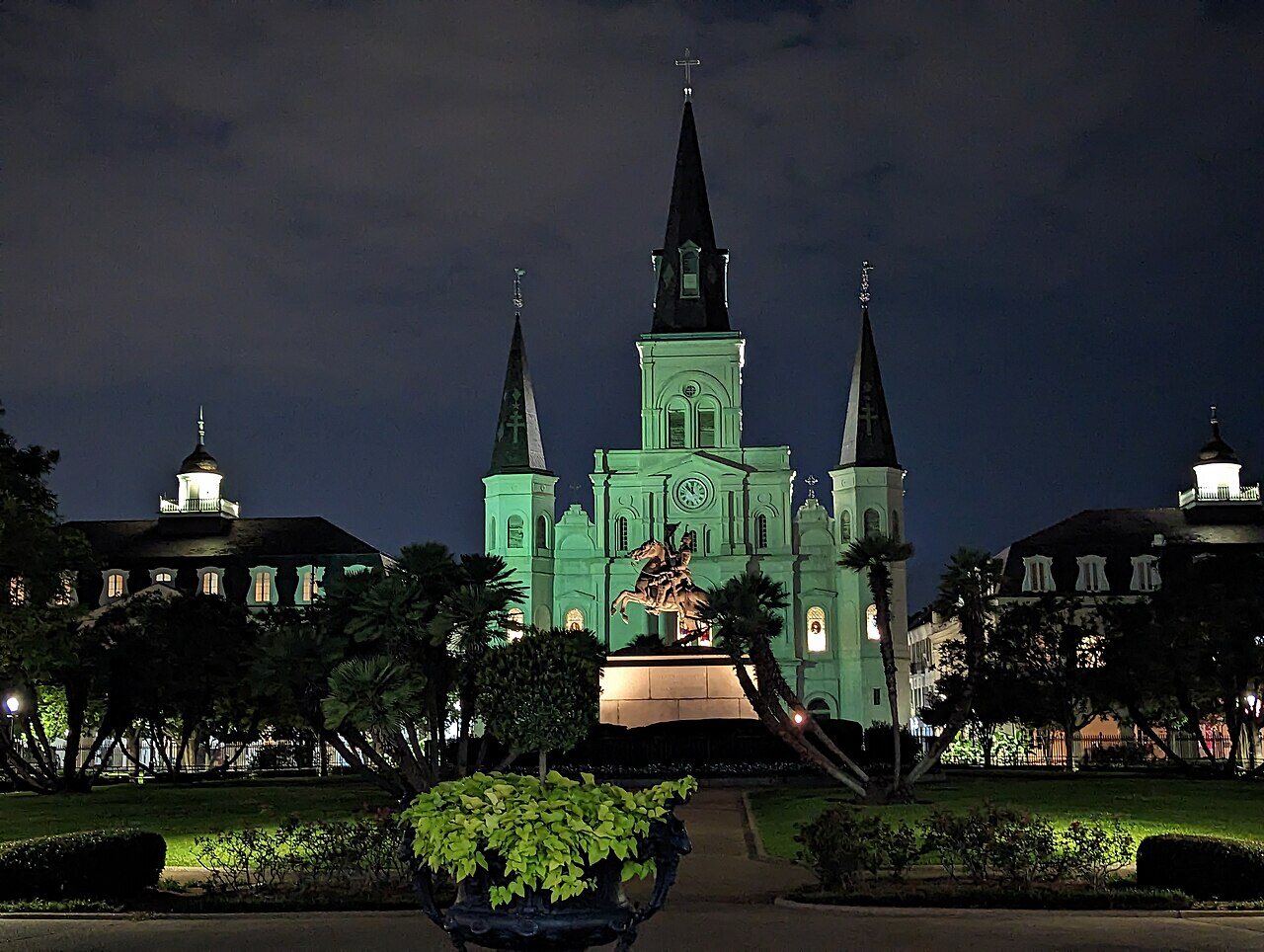
Day 1: The French Quarter before and after dark
Check into a central base, then orient yourself around Jackson Square and the public riverfront. Have an early dinner before one guided ghost walk. The New Orleans guide compares the existing bookable Klook experience with a direct-operator alternative and explains what the tours cover.
The Bourbon Orleans and Hotel Monteleone let you keep the hotel part of the theme. Compare location, room choice and parking; collecting a rental car only when you leave the city may save both expense and effort. Treat private houses on ghost-tour routes as exterior viewing stops unless the owner explicitly offers admission.
Day 2: A cemetery visit that actually includes entry
The official walking tour listed on Viator includes admission inside St. Louis Cemetery No. 1. Confirm the departure and meeting instructions before paying.
Check St. Louis Cemetery tour dates ↗
Affiliate link: Go Ghostly may earn a commission at no extra cost to you. Check current dates and cancellation terms on Viator before booking.
Book the authorised visit to St. Louis Cemetery No. 1. The cemetery’s administrator directs visitors to its designated tour operator; it is not a freely accessible walk-in stop. Reserve the slot, read the meeting instructions and leave time to reach the departure point.
Within the cemetery, the above-ground tombs and family histories deserve attention beyond celebrity associations. The operator’s access guidance notes uneven surfaces, so ask about the practical route if you use a mobility aid. Leave the afternoon for a relaxed neighbourhood walk, a museum of your choosing or simply a long lunch. Do not assume a French Quarter evening tour includes cemetery admission.
Day 3: Whitney Plantation, then Baton Rouge
Leave New Orleans after breakfast and make Whitney Plantation the principal stop. This is a museum centred on the experiences of enslaved people. Its memorials and interpretation need attention and reflection; it is included for history, not as a haunted attraction. Allow two to three hours rather than fitting it between several hurried house tours, in line with the museum’s visitor guidance.
Continue to Baton Rouge after lunch. Keep the Old State Capitol for this afternoon only if your visit fits comfortably before closing; otherwise put it first tomorrow. River crossings and your chosen roads affect the driving time, so set the museum as a specific waypoint rather than assuming every attraction lies on one continuous scenic road.
Day 4: A theatrical ghost and an evening mystery
At the Old State Capitol, The Ghost of the Castle uses Civil War diarist Sarah Morgan as the character guiding a short theatrical presentation about the building’s past. It is an intentionally produced museum experience. Check its schedule alongside the exhibits; the museum currently closes Sundays and Mondays.
Continue north to The Myrtles near St. Francisville. Compare a daytime historical visit with an evening mystery tour. The property also offers rooms, garden accommodation and cabins, so a stay here can remove the need for a late drive after the tour. A room booking and a particular tour are separate choices unless your confirmed package says otherwise.
The story to take with you: the Myrtles photograph
The Myrtles’ own timeline connects its modern reputation with a photograph identified as “Chloe.” That interpretation belongs to the property’s haunting tradition; a photograph does not establish the identity or life story of a spirit. The same timeline describes family deaths as likely yellow fever. Do not silently turn an entertaining poisoning legend into documented history.
Where to stay and what to leave out
Use the two New Orleans hotel guides for your starting base and compare accommodation directly with The Myrtles for an optional final night. For a shorter trip, keep New Orleans and Whitney and return to your city base. Avoid adding multiple plantation tours simply to collect haunted labels; one thoughtful museum visit and one clearly presented folklore experience make a more coherent journey.
The Viator booking link above and affiliate links in our New Orleans guide are identified beside their recommendations. Go Ghostly may earn a commission from qualifying bookings at no extra cost to you. Other direct operator and official-information links are provided for planning.
Route 04 · Vancouver Island · Ghost stories and historic roadhouses
Victoria to Nanaimo: a road trip through the Island’s ghost stories
A caretaker hears a latch lift in an empty schoolhouse. A woman watches a pub garden from an upstairs window. In Nanaimo, a long-dead fire chief is remembered as a protective presence. This route follows those stories from Ross Bay Cemetery through Victoria’s old roadhouses and Craigflower to the harbour streets of Nanaimo.
The journey works best over four days, with two nights in Victoria and a slower drive north through Cowichan and Ladysmith. Each stop below explains the haunting attached to the place and how to visit. Accounts are attributed folklore or reported experiences; the practical notes distinguish open businesses, heritage tours, exterior stops and stories whose original sites are no longer visitor attractions.
- Time to allow
- 4 days / 3 nights. Add a Nanaimo night for an evening lantern tour, or a fifth day for the Sooke detour.
- Overnight bases
- Victoria for nights 1–2; Duncan/Cowichan for night 3. Nanaimo for an optional final night.
- Route
- Victoria → View Royal and Colwood → Malahat and Cowichan → Chemainus and Ladysmith → Nanaimo.
- Driving and detours
- Allow about 25–45 minutes from central Victoria to Colwood before stops, and about 1–1½ hours from Duncan to Nanaimo via Chemainus and Ladysmith before visits. Seventeen Mile is a separate Sooke-road excursion.
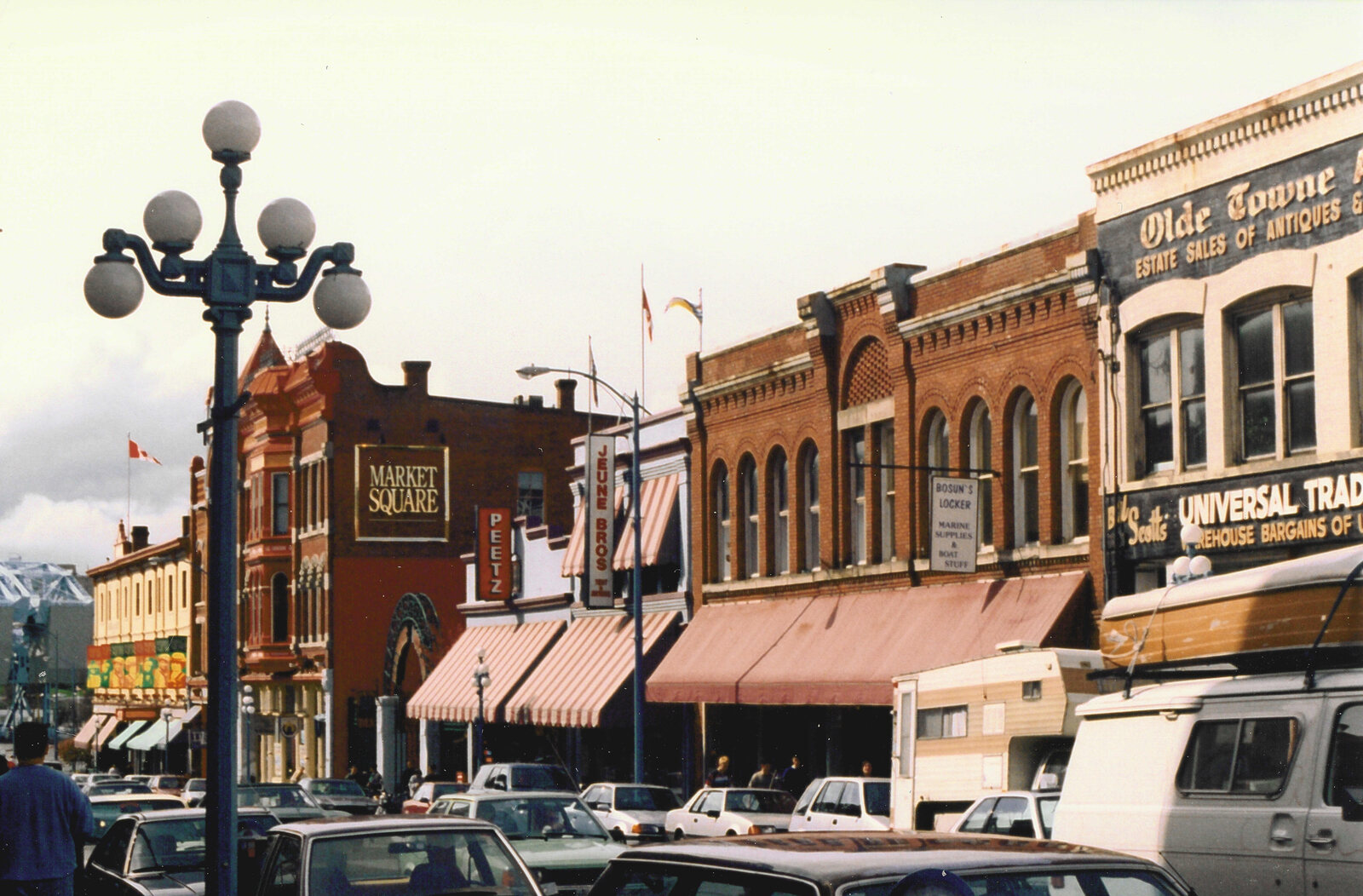
Day 1: Ross Bay, Spinnakers and Victoria after dark
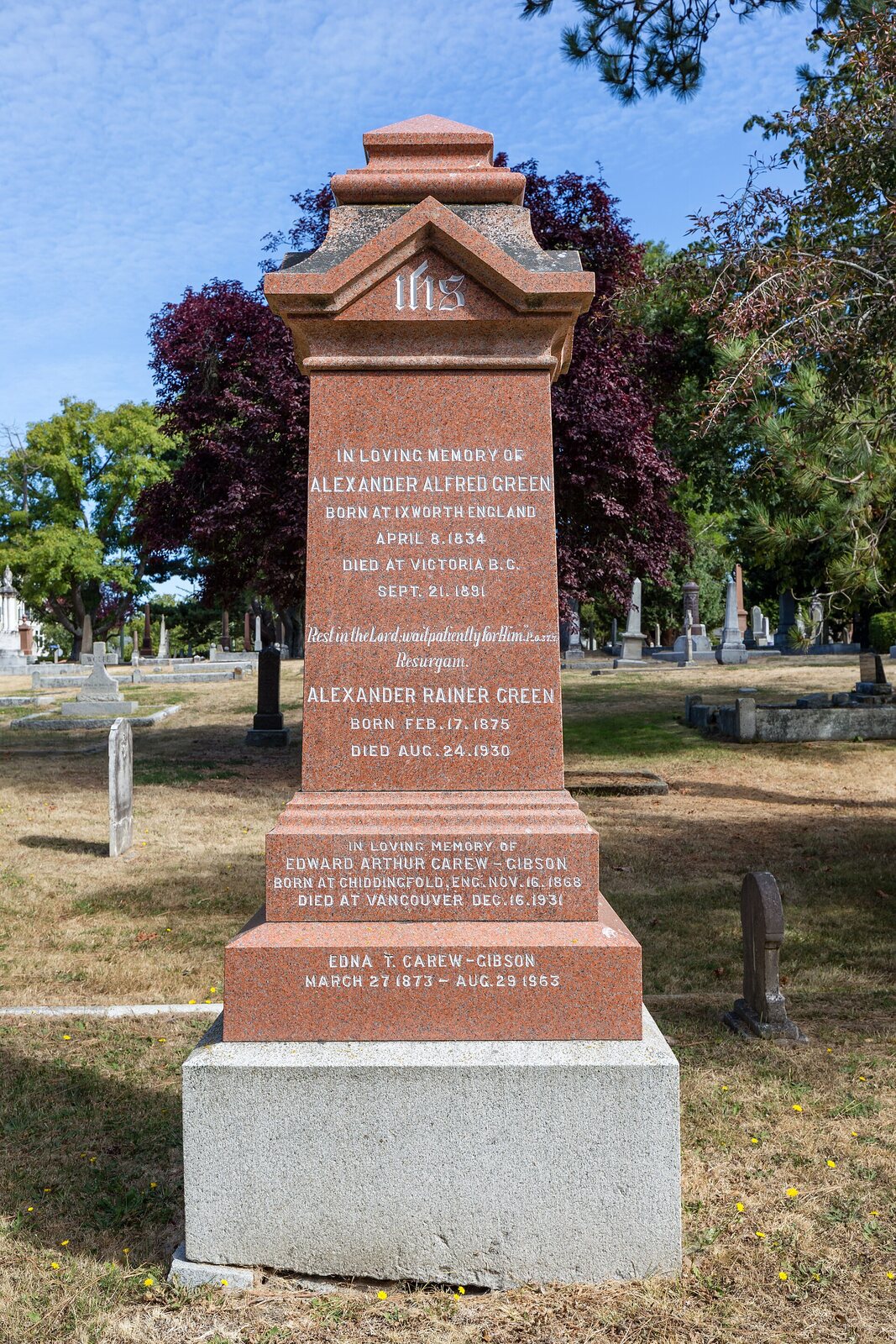
Ross Bay Cemetery: Isabella Ross, David Fee and the elderly couple
Begin with a daylight walk between the grave markers and trees at Ross Bay. Author Shanon Sinn’s collection of cemetery accounts identifies apparitions associated with Isabella Ross and David Fee, along with an unnamed elderly couple. These are the figures behind the cemetery’s reputation; a quiet burial ground is not, by itself, the whole ghost story.
The Old Cemeteries Society’s walking map gives those names a physical place in the landscape. Isabella Ross once owned much of the land that became the cemetery. The Fee family obelisk marks the resting place of a man whose Christmas visit ended in a killing—and whose white coat became part of Victoria’s ghost lore. Emily Carr’s grave is another worthwhile stop on the same walk.
David Fee: the man in the white coat. On Christmas Eve 1890, 28-year-old Fee was back from Nanaimo to spend the holiday with his family. He left Mass at the old St. Andrew’s Cathedral wearing festive clothing and carrying a toy trumpet, on his way to a party. Outside, an armed night watchman shot him. Prosecutors argued that Fee’s white coat had caused him to be mistaken for another man, although the motive remained disputed. Capital Daily’s account of the case follows the tragedy through to his burial here.
The haunting gives that white coat a second, unsettling life. In the versions summarised by Capital Daily, a bloodstained, white-coated figure associated with Fee is said to haunt either his grave or the cathedral steps. At Ross Bay, that is the story to carry with you to the family obelisk: a young man dressed for a celebration, remembered in the clothes he was wearing when he died.
The cathedral version has a more specific seasonal detail. In Shanon Sinn’s account of St. Andrew’s hauntings, he attributes to Ghostly Walks guides a story of Fee appearing near the shooting site on Christmas Eve, sometimes accompanied by the sound of a gunshot. The figure wears a white, clown-like jacket with a red pompom. These are published ghost-story traditions, rather than verified sightings; the Christmas Eve appearance and gunshot belong to the cathedral account, not a documented encounter beside this obelisk. Together, the two locations connect the place where Fee died with the grave where his story is still told.
Visit: Allow 60–90 minutes as a planning estimate and follow posted visiting hours. For a guided ghost-story visit, the society lists its Annual Ghost Tour on October 25, 2026. The published tour schedule starts at 2 p.m., meeting at the Fairfield Road entrance opposite Stannard Street; it currently lists $5 for non-members and $2 for members, with no reservations. Check that dated listing before setting out. Ordinary weekly cemetery walks have different themes.
Spinnakers: the grey-haired woman
Cross to Vic West for a meal at Spinnakers, 308 Catherine Street. Sinn’s Victoria haunting inventory records reports of an older woman with long grey hair and unexplained noises at the pub. The published account gives no settled identity or detailed life story for her, so this is a brief apparition tale rather than a named tragedy.
Visit: Use Spinnakers’ current dining and reservation information and allow about an hour for a meal. This is a working brewpub, with a ghost story to bring to the table. Ask politely whether staff have a tale to share when they have time; a dining reservation does not include a ghost tour or access to guest accommodation.
Finish with Ghostly Walks in the old town
Return downtown for Discover the Past’s Ghostly Walks. The operator’s 60-minute walks combine reported hauntings with the events behind them, and different departures can cover different areas. Ask which route best suits your interest in Bastion Square, the harbour or Chinatown instead of assuming every walk visits every famous location.
Pre-book online and use the meeting point on your ticket. Many walks begin outside the Visitor Information Centre at 812 Wharf Street, but Halloween departures may start elsewhere. The Victoria destination guide adds neighbourhood context, while our Fairmont Empress guide brings the hotel’s own ghost lore into an overnight stay. If a late ferry arrival leaves little daylight, move Ross Bay to your second morning.
Day 2: Craigflower, Four Mile, Six Mile and Hatley
Follow the old road west through View Royal. Craigflower Schoolhouse and Manor form one heritage stop, followed by the roadhouses and an optional Colwood visit. Choose one pub for a proper meal and keep the other as a shorter stop; this day should leave room to listen and look around.
Craigflower Schoolhouse: the door that would not stay closed
T. W. Paterson’s 1968 account, preserved by the Hallmark Heritage Society, centres on caretaker Hugh Palliser. After a bridge accident, workers digging an anchor hole to recover a truck uncovered human remains near the school. Palliser placed them in a box in a woodshed attached to the family’s kitchen.
That evening, the kitchen-door latch reportedly lifted and the door opened, admitting a cold draught. Palliser checked the outer door and found it locked. The disturbance repeated despite his searches with a lantern. In the story’s resolution, he reburied the remains and the unexplained opening of the door stopped.
This is a historical retelling with a clear sequence, not a verified account of present-day activity. Its treatment of disturbed human remains reflects the attitudes of its period; the person’s identity is not established by the story.


Craigflower Manor: footsteps with an unexpected explanation
The nearby manor has its own tale. In Gary Green’s account of Jean Thompson’s years at Craigflower, the family heard doors slamming and footsteps during the night. They began to wonder whether the old house had a ghost. The culprit turned out to be a sleepwalking housekeeper: when she left, the disturbances left with her.
That ending is part of the story and makes the paired visit more interesting. The school’s tale ends with a reburial; the manor’s ends with an ordinary explanation. They should not be blended into a single haunting or attributed to the same supposed spirit.
Visit both: Allow roughly 45–75 minutes for the pair, longer if you arrange a tour. The Victoria Scottish Community Centre advertises manor tours by reservation and donation. Contact the Hallmark Heritage Society separately about schoolhouse access. Plan for exterior viewing if you have not confirmed entry; a manor reservation does not include the school.
Four Mile House: Margaret, Jake and a customer who disappears
At 199 Island Highway, Four Mile offers some of the route’s most detailed pub lore. Its own “Four Mile Spirits” account describes a teaspoon tapping against a cup in an empty dining room, a softly calling voice and a seated customer glimpsed in passing who vanishes when someone looks properly. Staff also recount upstairs footsteps and misplaced objects returning.
A woman in a long gown, identified in the pub’s telling as Margaret, reportedly watches the gardens from an upper window. Another resident is called Jake Mellison in the pub’s account, which links him to a proposed home for his sweetheart and gold supposedly hidden in an old well.
The same page tells of the White Lady of nearby Thetis Point: a woman who waited for her sea-captain husband, died before his return and was later said to appear looking out to sea. This is shoreline folklore associated with the roadhouse, rather than an apparition confined to its dining room.
Visit: Make Four Mile your lunch stop if you want time to absorb the house’s own stories. Check opening hours and reservations. The upstairs and working areas are not part of a self-guided investigation; enjoy the spaces open to customers.
Six Mile Pub: footsteps and an unnamed man
Continue to Six Mile at 494 Old Island Highway. Sinn’s published inventory records unexplained footsteps and a male apparition here. Writer Ed Sum also describes having investigated the pub with the former PARAVI group, while leaving the spirits’ identities uncertain. The available accounts do not support adding a named ghost or an elaborate death scene.
The pub’s own history supplies the setting: an establishment tracing its beginnings to 1855, a bridge-and-mill community, stagecoach mail and later prohibition-era drinking. Picture generations of travellers stopping beside Millstream, then consider why footsteps after hours would become part of its reputation.
Visit: Choose Six Mile as an alternative lunch or dinner stop, using its current service hours. Allow time for the riverside setting when the patio is available. Neither this itinerary nor the published investigation account promises a public ghost tour.
Hatley Castle: a figure remembered as Laura Dunsmuir
If you have time after the View Royal stops, continue into Colwood. Hatley’s collected ghost accounts include an older woman sometimes identified as Laura Dunsmuir, a male apparition and an unsettling sensation described as freezing cobwebs. The stories attach to the castle’s long life as a family residence and later institutional building.
Visit: Allow an hour or more for the setting. As checked in September 2026, Hatley Park says its daily guided tours have ended for the season, with 2027 availability to follow in spring. Castle entry is only through a guided tour; the formal gardens currently offer complimentary access from 10 a.m. to dusk. A garden visit therefore works when an interior tour does not.
If military and maritime history interests you, Fort Rodd Hill and Fisgard Lighthouse remain an alternative Colwood excursion. Choose that or Hatley for a relaxed afternoon, and check Parks Canada’s current access notices.
Optional Sooke detour: 17 Mile House and Ma Wilson’s chair
Seventeen Mile belongs on a wider haunted-pub trail, but it is southwest toward Sooke rather than north toward Nanaimo. Give it a separate outing or substitute it for the Colwood afternoon; do not squeeze it into the Malahat driving leg.
The pub’s own ghost-story page recalls a bartender tidying after a late shift. One chair repeatedly moved away from its table without anyone touching it. He later learned it had been Ma Wilson’s favourite. Lights switching on and off and unexplained sights add to the house’s reputation.
The same page mentions a second, darker rumour involving a former owner’s boyfriend who was said to have died by suicide. Even the location varies in the telling—inside the building or nearby—so that account remains uncertain. The chair story is the clearest, most recognisable thread to ask about.
Visit: The pub is at 2038 Gillespie Road; use its website for current hours. For a separate pub-focused day, arrange a designated driver or hired transport. These scattered roadhouses are a driving trail, not a compact walkable drinking crawl.
Day 3: Cowichan’s headless-woman legend and a trestle walk
Travel north over the Malahat and give the day a slower pace after Victoria’s denser cluster of stops. Cowichan brings a different kind of ghost lore: a vanished mining settlement and a figure said to cross an old mountain road.
Mount Sicker: a story to read, not a signed roadside attraction
In Shanon Sinn’s investigation of the Mount Sicker legend, a headless woman in old-fashioned clothing is said to glide across the road near the former Lenora townsite. The usual explanation involves a miner killing his wife. Sinn’s newspaper research did not substantiate that story; the homicide he found involved two men, and he could not establish the woman’s identity.
This is a useful Cowichan ghost story precisely because the mystery remains unresolved. Read it over a break in Duncan rather than treating a guessed mountain-road location as a visitor stop. No public ghost-tour access or reliable viewing point has been established for this itinerary.
Kinsol Trestle: an optional daylight history stop
Keep Kinsol Trestle if you want a forest walk between the haunting stops. From the south-side parking area, the approach is about 1.2 km each way; allow roughly 90 minutes to two hours for the walk and views. It adds railway history and an outdoor break, without assigning a ghost to the bridge. Check trail conditions and finish in Duncan or elsewhere in Cowichan for the night.
Day 4: Ladysmith’s old museum tale, then haunted Nanaimo
Break the northbound drive in Chemainus for the mural walk, or save more time for Ladysmith and Nanaimo. These are choices for a manageable day, not a requirement to stop at every attraction.
Ladysmith: the Black Nugget Museum’s phantom piano
Older accounts of the Black Nugget Museum describe footsteps, a piano sounding a few notes on its own and a moustached man appearing in an upstairs window. Sinn’s Island inventory lists the museum as closed. Keep the story as part of a Ladysmith break, but do not follow an old ghost list expecting an operating museum or permission to enter the building. It is distinct from today’s other local heritage attractions.
Nanaimo’s Old Fire Hall: a chief still looking after people
In Nanaimo, begin with an exterior stop at the Old Fire Hall on Nicol Street. The Discourse’s account connects the building’s ghost lore with fire chief John Parkin, who died there after developing pneumonia following a winter fire in 1937.
One former shop owner recalled a hammer falling from a high ladder and striking her shoulder rather than her head. She interpreted the near miss as protection and thanked the presence she believed had helped. That interpretation gives the fire-hall story its distinctive character: a guardian associated with his former workplace.
Visit: Treat this as a short public-sidewalk stop. Past stories about a shop in the building are not evidence of its present tenancy, opening hours or public access.
The Bastion: rolling cannonballs and the caretaker
Continue to the waterfront Bastion. Published local reports describe sounds resembling rolling cannonballs and other unexplained noises. A former museum curator associated its haunting with caretaker Joseph Muir, imagined as still attending to the building.
Nanaimo Museum’s own “Trick or Truth” project says its Bastion story was inspired by longtime employee Bill Poppy’s experiences and notes other staff reports. That is a stronger starting point for a visit than assuming every online version names the same ghost.
Visit: The exterior is an easy harbour stop. Interior access is seasonal: the museum’s 2026 summer schedule ended September 7. Check current arrangements, a group booking or the October lantern tour before expecting to go inside.


Nanaimo Museum: the piano beneath the vanished house
Visit Nanaimo Museum for the coal-mining context behind another eerie account. Its “Once Again — With a Sinking Feeling” story draws on the 1898 flooding of East Wellington’s No. 5 Mine, when a sinkhole swallowed overman Thomas Haggart’s house. The museum says accounts of piano music heard late at night have persisted for more than a century.
This is a story about the former mine area, not a claim that the piano is heard inside today’s museum. The museum is the accessible place to explore the history and ask about the account, rather than searching for old workings or a vanished house site.
Stay for the Haunted Nanaimo Lantern Tour
The 2026 museum tour runs on selected evenings from October 2–30, 6:30–8 p.m. It is a mostly outdoor, approximately 1.5 km walk with hills, beginning at Nanaimo Museum, 100 Museum Way, and including entry to the Bastion. The published price is $15 per person, with ages 12 and over recommended.
Pre-registration is required through the official ticket page. The museum states that the Bastion interior is unsuitable for wheelchair users and people with limited mobility, while the rest of the route is wheelchair accessible. Confirm your access needs with the museum. Outside the October schedule, use the daytime museum and exterior stops; do not assume a nightly ghost walk is operating.
Build the trip around the stories you want to hear
For two days: Stay in Victoria and combine Ross Bay, Spinnakers and Ghostly Walks with Craigflower and one of the View Royal pubs. Add Hatley only if the timing is comfortable. For four days: Follow the northbound plan and make Nanaimo the final cluster of haunting stops. An October lantern tour is worth an additional Nanaimo night rather than a rushed late ferry connection.
For a pub-focused version: Spinnakers, Four Mile, Six Mile and Seventeen Mile work as a separate haunted-pub trail, with meals, stories and prearranged transport. On this road trip, choose the pubs that fit your day and keep the driving alcohol-free. Seventeen Mile adds a Sooke-road return leg.
Book the date-specific ghost walks first, then accommodation and ferries. Confirm Craigflower Manor entry separately. The main route links below are orientation tools, not a timetable or a promise of access to private interiors.
Haunting sources and access details checked September 27, 2026. Visit durations are our planning suggestions. Linked accounts identify the source of each legend; tour prices, dates and access can change. A historic building’s age or a reported experience is not proof of a haunting.
Route 05 · Colorado
Denver → Golden → Estes Park & the Stanley
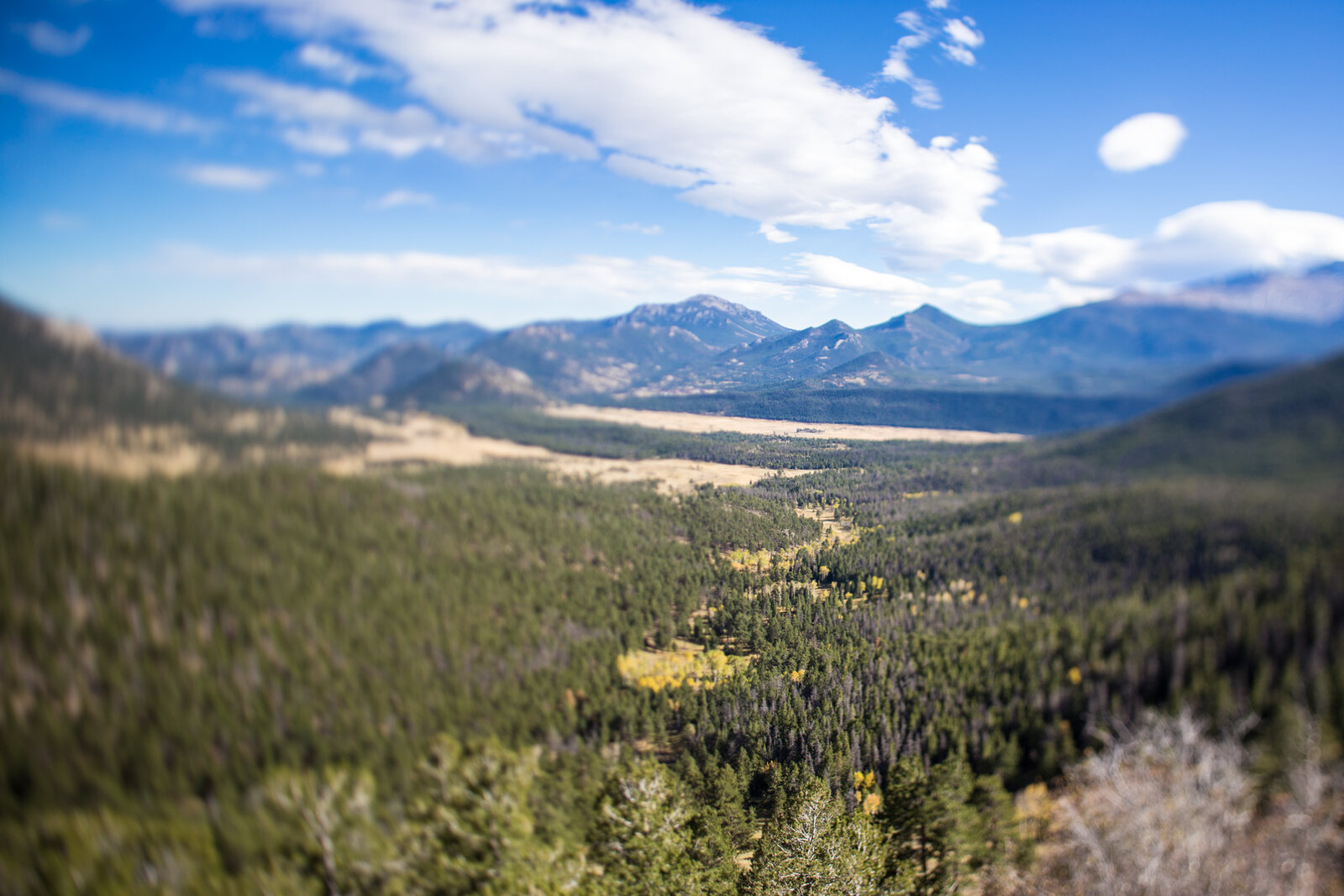
Build this trip around the Stanley Hotel, then give the journey its own history: a Victorian Denver home, the public story of Buffalo Bill and the mountain landscape that frames Estes Park. The hotel is the paranormal anchor; the other stops broaden the trip beyond a single night in a famous room.
- Time to allow
- 4 days / 3 nights; add a night before an early flight from Denver.
- Overnight bases
- Denver for night 1; Estes Park for nights 2–3.
- Main driving legs
- Denver–Lookout Mountain/Golden: about 45–60 minutes. Golden–Estes Park: about 1½–2½ hours, excluding stops.
- Mountain extension
- Rocky Mountain National Park is a separate day excursion, subject to reservations, weather and road access.
Day 1: Denver’s Victorian side
Start at the Molly Brown House Museum. The home offers a way into Margaret Brown’s life beyond her Titanic association, with guided or self-guided visits depending on the ticket selected. Reserve the visit that suits your arrival time and check the historic building’s access information. It belongs in this route as a house museum; a normal admission ticket is not a paranormal investigation.
Use the rest of the day for dinner and a gentle introduction to Denver. An easy first evening is useful before the mountain portion, especially after a long flight. Keep the schedule flexible enough to deal with a delayed arrival instead of losing several prepaid experiences at once.
Day 2: Buffalo Bill’s grave, Golden and Estes Park
Drive to the Buffalo Bill Museum and Grave on Lookout Mountain. Visit the museum before the gravesite if you want the exhibits to frame what you are seeing. The presentation offers a starting point for thinking about how the American West was turned into a public spectacle; the landscape views are a second reason to stop.
Allow about 90 minutes as a planning window, then descend for lunch in Golden before continuing to Estes Park. This is the trip’s main transfer day. Check in and leave the evening unhurried rather than pairing the journey with a demanding hike or the last possible tour departure.
Day 3: Choose the Stanley experience you actually want
Make the Stanley Hotel the centre of the day. Its official tour programme separates historical tours, ghost tours and a Shining-themed tour. Choose according to your interest; three tickets with overlapping settings are not automatically better than one thoughtful visit.
Reserve an evening ghost tour if the reported hauntings are your priority, leaving daytime for Estes Park and a long lunch. A hotel reservation does not mean every tour or restricted part of the property is included. Check age, walking and access rules for the precise product. The Shining tour, for example, currently lists no wheelchair access.
The story to take with you: fiction and the real hotel
The Stanley’s Shining tour distinguishes Stephen King’s novel, Stanley Kubrick’s film and the later television miniseries. Kubrick’s movie was not filmed at the Stanley; the miniseries used the hotel. Keeping those versions separate makes the visit more interesting: you can enjoy the fictional Overlook without describing its events as the building’s history.
Day 4: A mountain day, if conditions allow
Use Rocky Mountain National Park’s current entry guidance to decide which reservation you need. Access involving the Bear Lake Road corridor has its own requirements; a general park plan does not cover every destination automatically. Park entrance charges and timed-entry arrangements are separate considerations.
Treat Trail Ridge Road as an optional scenic extension, not a guaranteed through-route. Check the park’s road-status page before leaving. If the high road is closed or weather is poor, choose an open, suitable lower-elevation activity or spend more time in town. Plan the return to Denver separately, with a night near your departure point if an early flight would otherwise follow a long mountain day.
Where to stay and the weekend version
Our Stanley guide explains the property and its room lore. Stay elsewhere in Estes Park if that better suits the budget, then book the official tour independently. For a weekend, concentrate on Estes Park and one Stanley experience. Keep the Denver and Golden stops for a longer journey rather than squeezing them around an ambitious park day.
Make cemeteries worthwhile daytime stops
The best cemetery visit starts with a map and one or two stories to follow. Give yourself enough time to read names, dates and monuments. A cemetery with restricted entry is not a failed stop if you planned the authorised tour in advance.
- Use the right access information. Boston’s city page, Savannah’s Bonaventure page, the St. Louis Cemetery No. 1 administrator and the Old Cemeteries Society links above explain different arrangements. One city’s rules do not apply to another.
- Stay on permitted routes. Do not step onto graves, touch fragile carvings, make rubbings or leave objects without permission. Give funerals and people visiting family complete space.
- Plan the physical visit. Gravel, roots, steps, heat and limited seating can matter more than the advertised walking distance. Ask the operator about the actual route and available alternatives.
- Keep evening plans separate. A ghost walk may discuss a burial ground from the pavement. That does not mean it takes visitors inside, or that you may return after the gates close.
Book the fixed pieces first
- Choose your arrival and departure points. Decide whether to make a loop or pay for a different car return location. On Vancouver Island, choose ferry routes and allow their full travel time.
- Reserve the anchor nights. Check room type, parking, cancellation terms and accessibility before paying extra for a particular hotel legend.
- Book the limited-access experience. This might be a cemetery tour, a Stanley departure, a lighthouse evening or park entry. Read whether admission and transport are included.
- Fit museums around their actual opening days. Check holiday closures and seasonal schedules. Move a driving day if that keeps a key museum in the plan.
- Leave one flexible block daily. Use it for lunch, a missed stop, a weather change or a place that turns out to deserve more time.
Budget for the journey, not just the room
Compare the total of accommodation, parking, fuel or charging, car-return fees, ferry fares, museum admissions and guided tours. These routes mix ticketed experiences with self-paced public-space stops, but no stop should be assumed free solely because it is outdoors. Follow the linked operators for current prices.
Pack comfortable walking shoes, weather layers, water, a charged phone and downloaded directions. Keep the next hotel’s address and tour meeting instructions available offline. On driving days, plan dinner near your overnight base so the evening does not end with another long transfer.
These plans work best when you are curious about the places in daylight as well as after dark. Choose a handful of stops you care about, listen to how local museums and guides tell their stories, and give the journey room to surprise you.
Research checked September 15, 2026. The linked museums, parks, cemetery administrators and operators are the sources for access details and historical accounts. Recheck their current notices before travelling. A reported haunting is not a promise of an experience.