

The story behind the stay · Coral Gables, Florida
The Biltmore Hotel: Ghost Stories, Fatty Walsh & the Haunted Tower
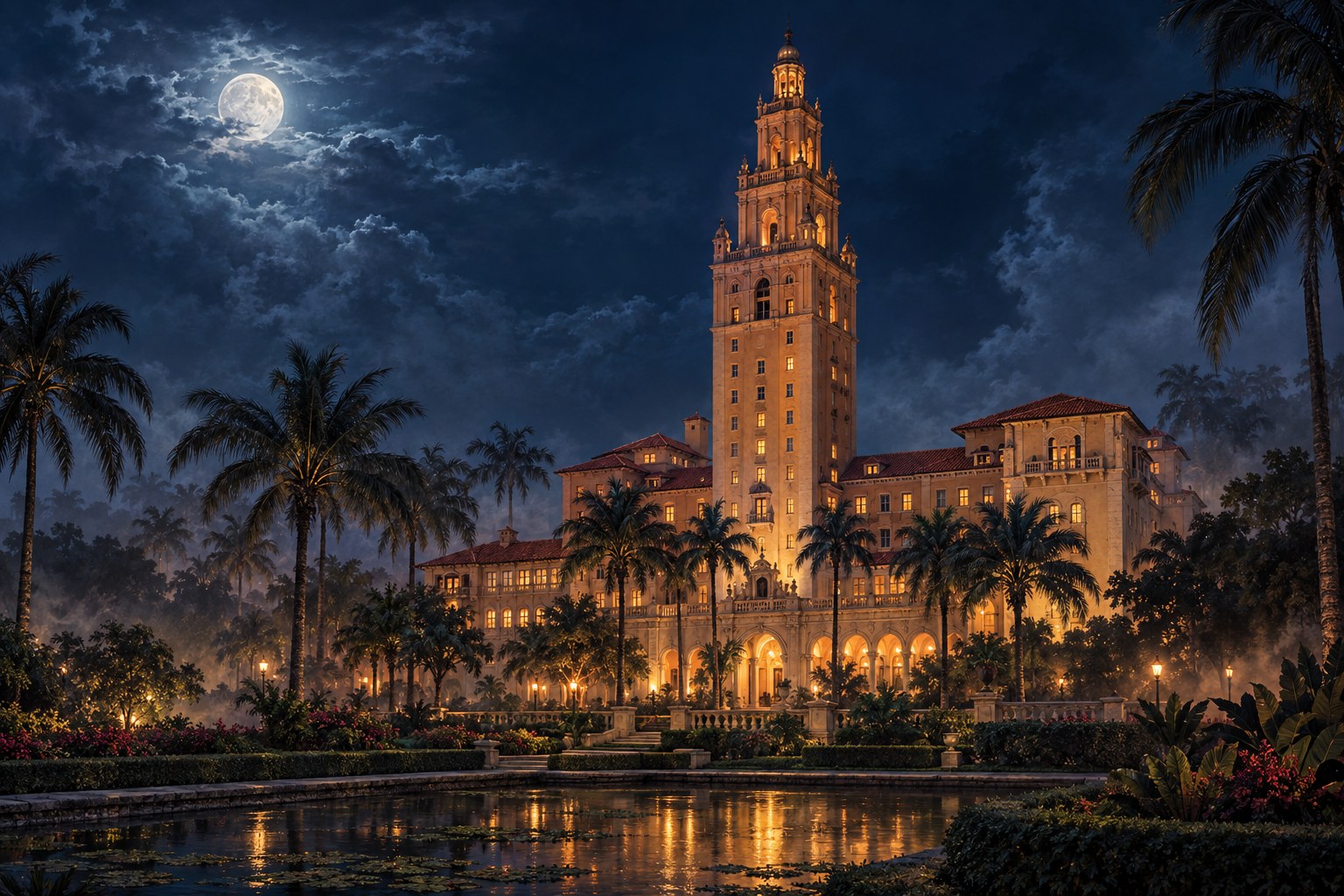
An elevator separates a couple. Upstairs, the stranded woman smells cigar smoke and hears an unseen gathering. In a Biltmore legend, the tower’s old resident wants company.
The Biltmore Hotel in Coral Gables has more than one ghost story. There is a murdered gangster, an abandoned hospital remembered by generations of local children, and a grand suite where an overnight visitor heard tapping that seemed to follow her. The details come from different tellers, and that is part of the fascination: a single building has acquired several lives after dark.
This guide follows the published accounts, then explains how to visit the real hotel. Hauntings are reported experiences and folklore; the history and current visitor arrangements have their own sources.

Who was Thomas “Fatty” Walsh?
Before he became the tower’s supposed resident, Walsh belonged to the world of New York organised crime. The Mob Museum’s history of his death identifies him as a former bodyguard of gambler Arnold Rothstein. In the early hours of March 7, 1929, a gathering in a Biltmore gambling suite ended in gunfire. Walsh died; Arthur Clark was wounded.
The investigation became tangled in reluctant witnesses, competing explanations and rumours of suspects fleeing to Cuba. Eddie Wilson, who operated the gambling suite, was a principal suspect. The museum describes a warrant that never produced a resolution. The neat version of a card-game quarrel conceals a much messier investigation.
Even the floor number varies: the museum places the shooting on the fourteenth floor, while the ghost tradition centres on the thirteenth-floor Everglades Suite. That discrepancy is worth retaining when reading the history alongside the legend.
Walsh’s story gives the haunting a recognisable personality: someone associated with gambling rooms and the company gathered around them. In the folklore, the party has ended for everyone except its most notorious guest.
The elevator that takes a couple to the wrong floor
A detailed version appears in PSIresearcher’s 2011 retelling. A couple enters an elevator, which carries them to the restricted tower suite. The doors remain open. When the woman steps out, they abruptly close before her husband can join her.
He is taken back to the lobby and seeks help. Upstairs, his wife reportedly encounters cold air, cigar smoke and faint conversation. Small sounds suggest objects landing on a surface; laughter seems to come from somewhere out of sight. She feels someone behind her, yet turning around reveals nobody.
Her husband returns with a staff member and a key. In the telling, the bellhop’s explanation supplies the final chill: this is the place associated with Walsh and the old gambling room.
The couple is unnamed, and the retelling does not establish when it happened. It is hotel folklore, with an unusually vivid sequence: separation, an unseen gathering, and an explanation delivered only after the frightened visitor gets out.
Figures in uniform and a stranger who vanishes
Walsh does not account for every reported presence. In Miami New Times’ 2011 interview, former hotel storyteller Linda Spitzer recalled accounts from the years when the Biltmore stood closed. Young visitors described figures whose feet seemed to hover above the floor. Others reportedly felt a tap on the shoulder and turned to see men in military uniforms.
Spitzer’s collection also included schoolgirls seeing a woman wave from the tower, crying heard through walls and the sounds of a party with no visible celebration. The images belong to different kinds of haunting: someone watching from a height, someone approaching from behind, and a room that seems occupied until you try to find its occupants.
The pianist’s disappearing audience
One of Spitzer’s stories concerned a piano player who noticed a man waving. She looked down briefly; when she looked up again, he was gone. Spitzer said she had never seen a ghost herself. Staff and guests supplied many of the experiences she collected.
A wave briefly makes the stranger seem familiar. His disappearance leaves the pianist with a question.

A night in the Everglades Suite: the tapping that followed
For a named visitor’s experience, read Lizzie Wilcox’s 2020 overnight account in Coral Gables Magazine. She stayed in the Everglades Suite with a companion. A door opening after midnight frightened them, but she attributed it to air pressure and an incompletely closed door.
The next morning left her less certain. At the bathroom sink, she heard clicking or tapping. She checked for running water, then moved into the closet and could still hear it. Before leaving, she also noticed one curtain-control rod swinging.
Afterwards, she found an older newspaper account of a séance at the hotel in which a medium described a tapping cane. She connected that description with her own experience. That connection was her later interpretation.
The woman searching for a child
The same magazine records a woman said to wander the grounds looking for her child. Conflicting accounts give her different deaths, and no established identity. The searching figure remains a legend without a settled biography.
When the hotel was empty, the stories grew
WLRN’s interviews with Coral Gables residents bring the abandoned years down to a human scale. Betsy Skipp remembered children slipping out with flashlights. Kim Dunn-Zocco recalled the challenge of avoiding a guard in a green golf cart, then finding the interior suddenly quiet and unnerving.
The hospital’s past coloured what they expected to find. Dunn-Zocco recalled a friend believing he had seen a severed limb, sending the group running. WLRN presents that as a childhood recollection, not a confirmed discovery.
After restoration, the stories found a more welcoming home in the lobby. The station dates Spitzer’s weekly storytelling to 1994 and describes a decade of sessions. Visitors supplied experiences of their own, extending the collection as she told it. Those old Thursday gatherings are part of the Biltmore’s history, rather than a currently advertised event.
This is one of the pleasures of following a place’s folklore: the building can change from forbidden ruin to luxurious hotel while the stories travel with the people who remember it.
.jpg)
The hotel, the hospital and the return of the guests
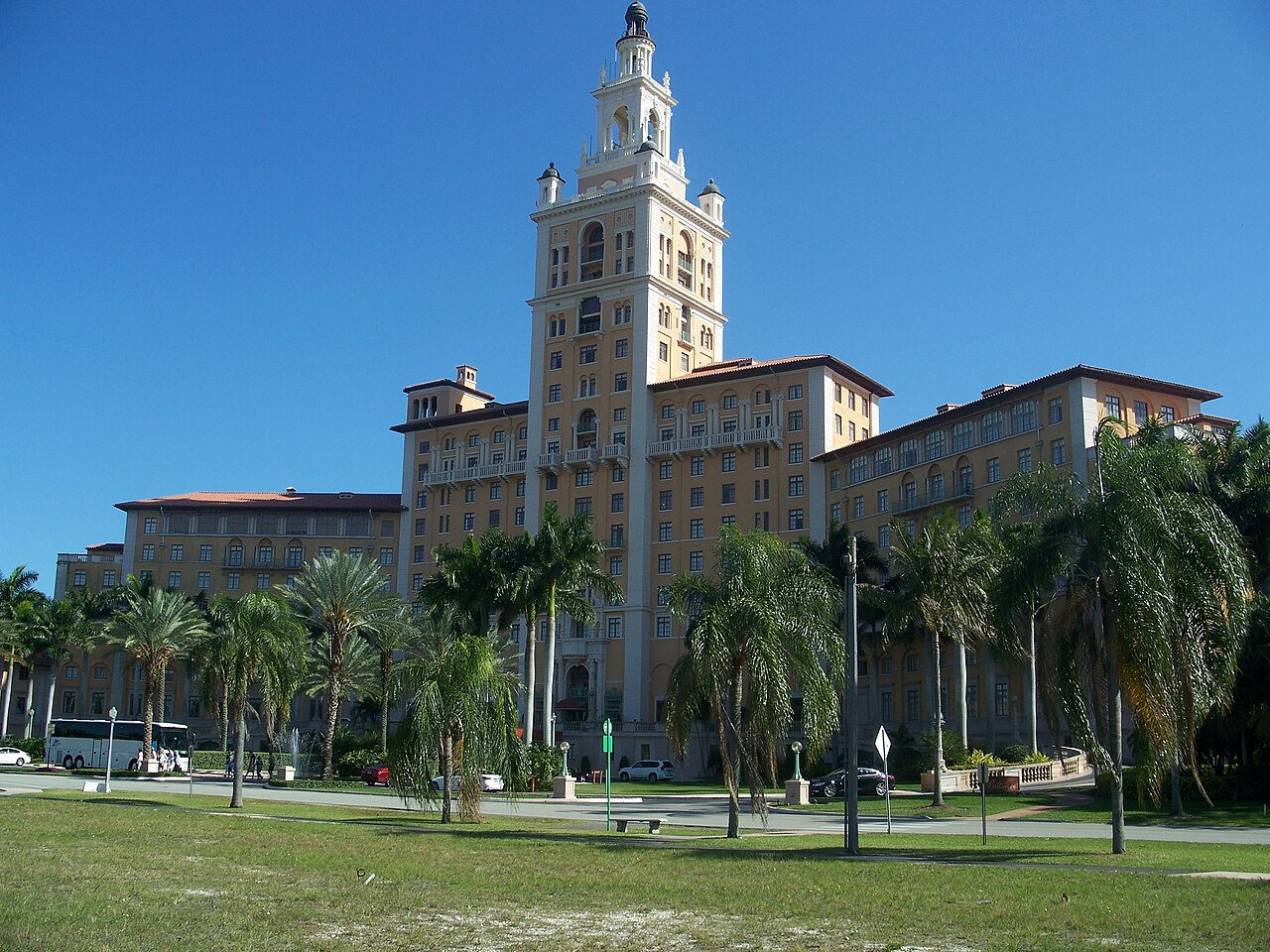
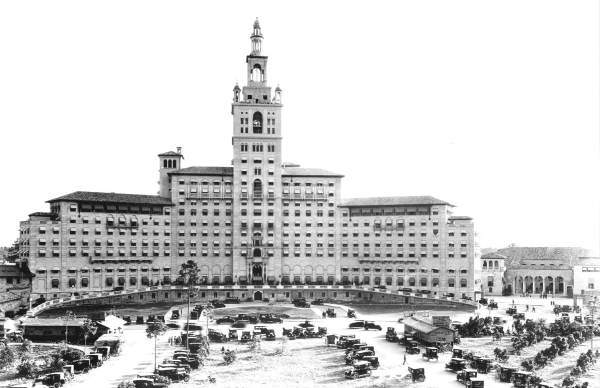
The Biltmore’s official chronology begins with George Merrick and hotelier John McEntee Bowman’s grand project for Coral Gables. It opened in January 1926, offering the setting for balls, fashion events, golf and poolside spectacles.
World War II transformed the property into an Army Air Forces hospital. It later served veterans and became an early home of the University of Miami’s medical school. The hospital closed in 1968. Years of vacancy followed before restoration returned the building to hotel use in 1987; another closure came in 1990, with a new operating era beginning in 1992.
These changes explain why the stories seem to come from different buildings. The gambler belongs to the resort’s early glamour; military figures evoke the hospital; flashlight expeditions belong to its long period without ordinary guests. All three histories occupy the same walls.
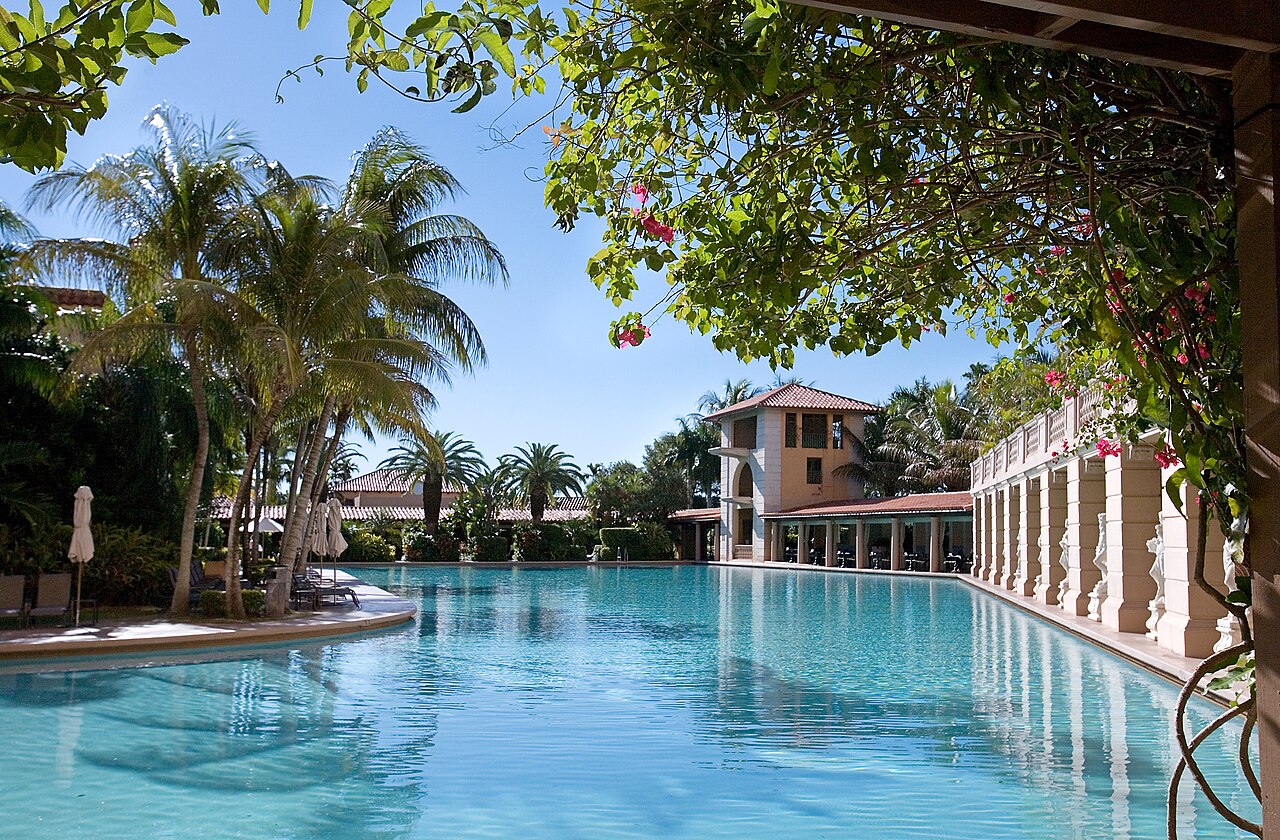

How to visit the Biltmore’s real setting
A free Sunday history tour
Dade Heritage Trust currently lists free Biltmore tours on Sundays at 2 p.m. Participation is limited to 20, with advance registration requested. Meet at the fireplace at the east end of the Main Lobby. The advertised focus is architecture, history and cultural heritage.
For an afternoon visit, book the tour first and leave time to look at the tower in daylight. Bring a question about the hotel’s hospital years or its restoration. A history tour offers a way into the building, but does not promise entry to the Everglades Suite or a paranormal investigation.
The Trust requests at least five days’ notice for accessibility accommodations; its contact number is 305-358-9572. Confirm your departure and access needs through the current registration page.
Stay in the suite—or simply stay for the atmosphere
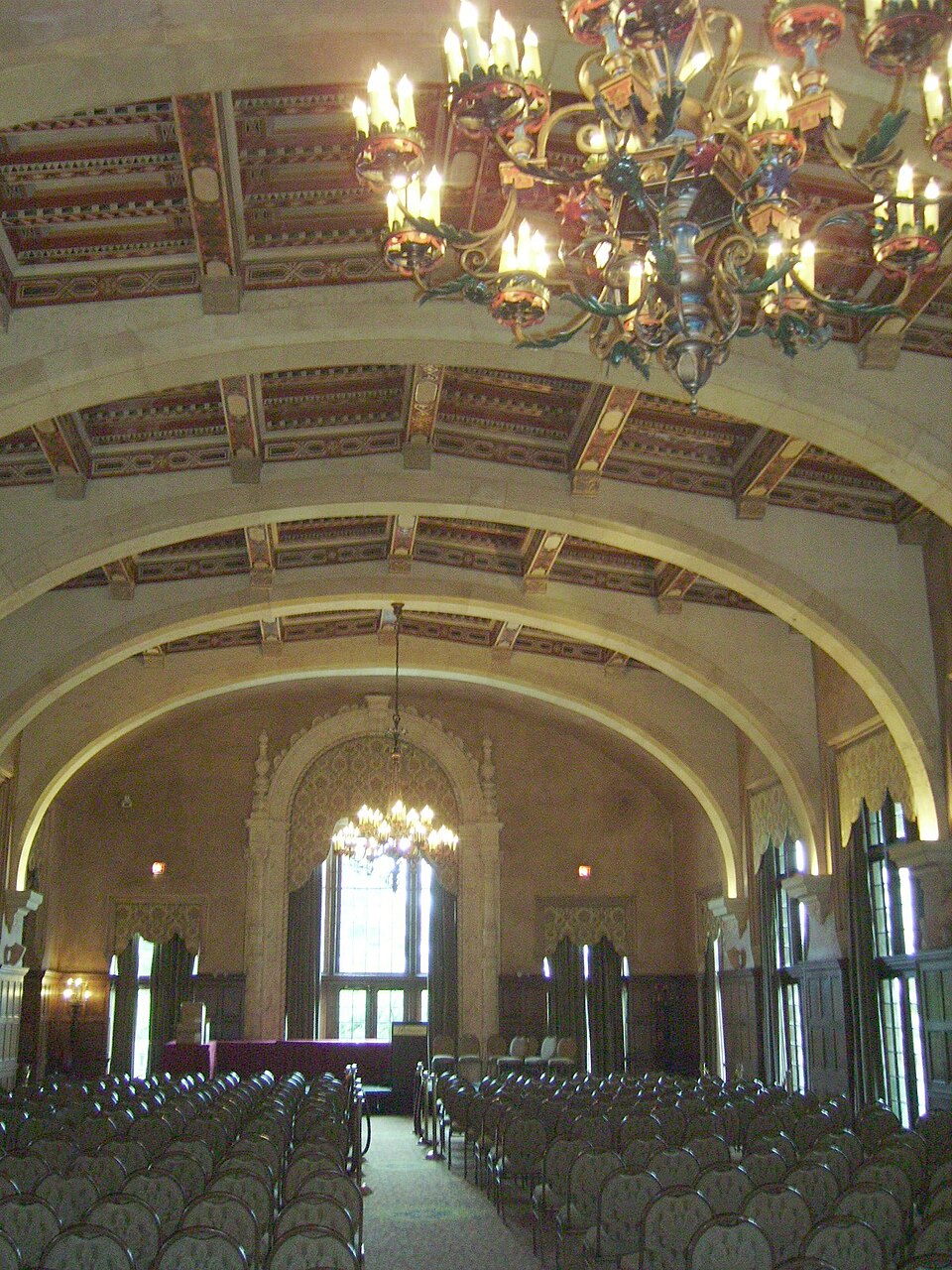
The hotel’s current Everglades Presidential Suite listing describes a two-storey suite with hand-painted Everglades ceilings, private-key access and panoramic views. It lists three king bedrooms, three bathrooms and space for six guests. Older accounts describe different layouts, so use today’s listing when planning occupancy.
If that suite is your reason for travelling, confirm the exact accommodation directly with reservations. Otherwise, a standard room and the history tour let you experience the building without choosing the most elaborate accommodation. The tower suite and guest floors remain private spaces.
| Detail | What to know |
|---|---|
| Location | 1200 Anastasia Avenue, Coral Gables, Florida 33134. |
| Check-in / check-out | 4 p.m. / noon, according to the hotel’s FAQ. |
| Extra charges | The FAQ lists a US$23 daily resort fee and paid parking. Ask for the full total; the hotel’s pages show differing overnight valet prices. |
| Room and access questions | Call the hotel at 305-445-1926. Confirm stairs within a two-storey suite and the specific accessible-room features you need. |
Sources: the hotel’s FAQ, visitor information and presidential-suite listing. Rates and arrangements can change.
Read the cancellation deadline and deposit terms for your chosen rate. For a shorter visit, a meal at Fontana can accompany a confirmed tour. Check current dining hours and make a separate reservation.
Questions about the haunted Biltmore
Is this the Biltmore in Asheville?
No. This guide concerns the hotel in Coral Gables, near Miami. Make sure your booking and directions name the Florida property.
Is there a guaranteed haunted room?
The Everglades Suite is central to the lore, but a reputation cannot guarantee an encounter. Choose a stay you would enjoy even if the night is quiet.
Where does the Florida ghost trail go next?
Compare the Biltmore’s restless tower with The Vinoy’s unexpected visitors or Thomas Rowe’s lingering-host legend at The Don CeSar. Our Florida haunted hotels guide connects these stories with St. Augustine and Key West.
About this guide: Researched September 27, 2026. Sources are linked beside each account. We have not personally investigated the Biltmore. The cover is an AI-created illustration; the four credited photographs depict the real property. Hotel and tour links here go directly to their operators. See our affiliate disclosure for how Go Ghostly is funded.